Top 5 Pallet Racking Systems for Baltimore Warehouses (2026 Guide)
10 min read · April 2026 · Baltimore Pallet Rack Team
The Port of Baltimore is one of the top ten cargo ports in the United States, and the warehouse market that surrounds it reflects that activity. From cold storage facilities in Dundalk and Curtis Bay handling port-direct food and beverage imports to large-format Class A distribution centers in Hanover, Laurel, and White Marsh serving the broader Mid-Atlantic, Baltimore warehouses operate across a wide range of building types, industries, and operational demands. This guide covers the five most common pallet racking systems used in Baltimore-area warehouses — what each does, who it fits, and what you'll trade off by choosing it.
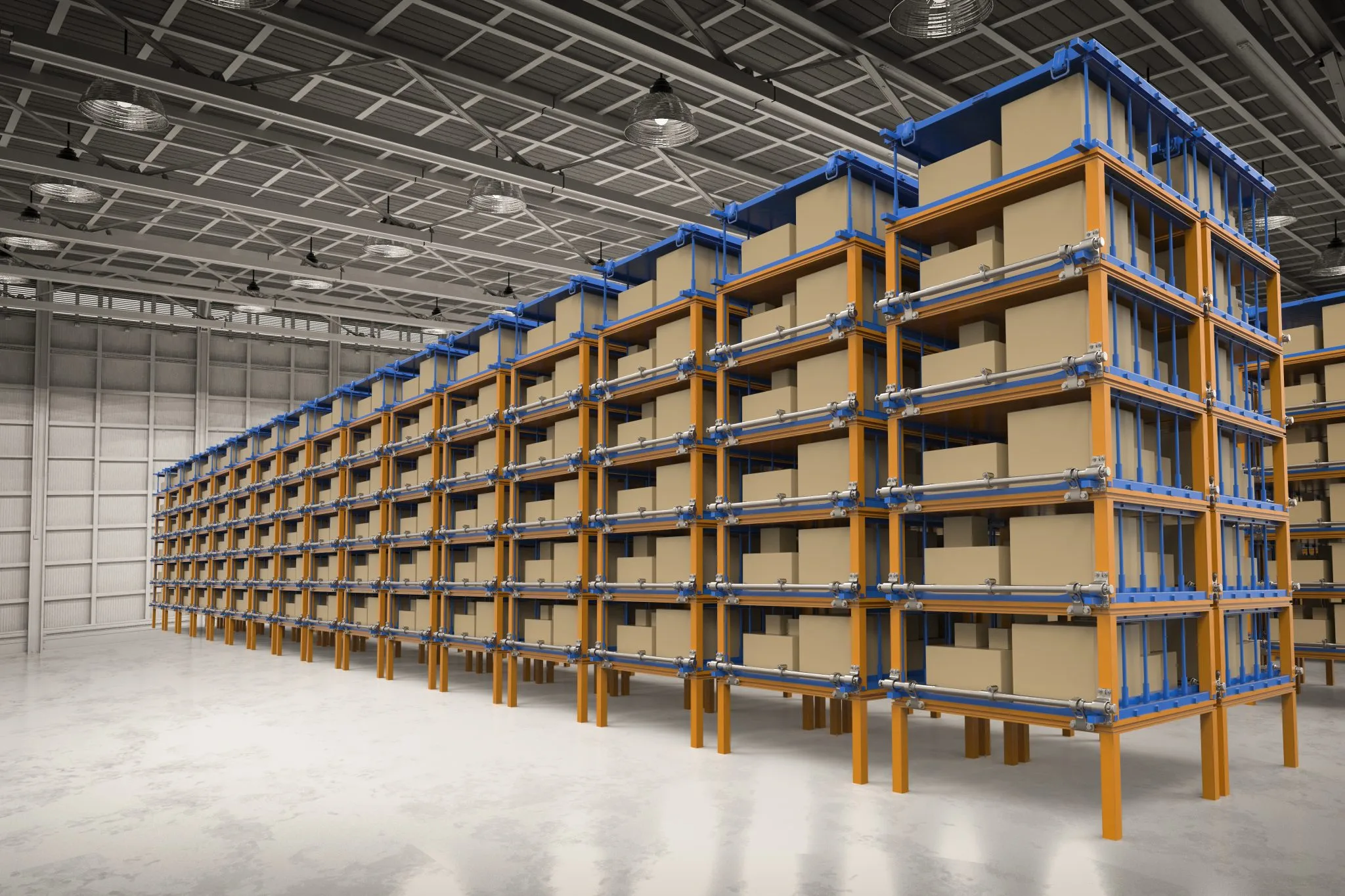
The 5 Best Pallet Racking Systems for Baltimore Warehouses
1. Selective Pallet Racking — Best for General Use
Selective racking is the most widely installed system across Baltimore's diverse warehouse market. Every pallet is individually accessible without disturbing another load. It works with any standard counterbalance or reach truck, it's the simplest system to reconfigure as your inventory mix changes, and it delivers the lowest cost per pallet position of any system on this list. Baltimore's warehouse inventory ranges from older brick and masonry industrial buildings in South Baltimore and Essex to newer tilt-up facilities in Hanover and White Marsh — selective racking adapts well across this range.
Best for: Mid-Atlantic consumer goods distributors, e-commerce fulfillment, healthcare supply chain, and any Baltimore-area warehouse requiring direct access to individual pallet positions across a broad range of SKUs.
Tradeoff: Lower storage density than high-density systems. In older Baltimore industrial buildings with limited clear heights, the density gap is less significant — but still a real factor for growing operations.
2. Drive-In / Drive-Through Racking — Best for High-Density Storage
Drive-in racking allows forklifts to enter the rack structure and store pallets on rails rather than beams. By eliminating aisles, you can store 2–3 times more pallets per square foot compared to selective. Baltimore's port-adjacent warehousing market is a natural fit — cold storage and temperature-controlled facilities handling food and beverage imports through Dundalk Marine Terminal and Broening Highway use drive-in systems extensively. Sugar, coffee, canned goods, and perishable port imports are commonly stored in drive-in configurations throughout the Baltimore metro.
Best for: Cold storage and refrigerated distribution, port-import commodity warehousing, single-SKU bulk storage, and seasonal inventory operations throughout Baltimore City, Baltimore County, and Anne Arundel County.
Tradeoff: Standard drive-in systems are LIFO only. Requires forklifts with mast profiles narrow enough to safely enter the rack bay. Damage potential is higher in older Baltimore warehouse buildings with tighter site conditions.
3. Push-Back Racking — Best for Medium-Turnover Products
Push-back systems store pallets 2–6 deep on inclined rail-and-cart assemblies. Loading a new pallet pushes existing ones back; removing the front pallet lets the rest roll forward automatically. You gain meaningful density over selective racking while keeping a broader product mix accessible. Push-back is well-suited to Baltimore-area distribution operations that move a moderate variety of products at medium turnover rates — consumer goods, building materials, health and beauty, and general merchandise destined for retail chains throughout the Mid-Atlantic.
Best for: Consumer goods distributors, regional wholesalers, and Baltimore-area operations with moderate SKU counts and a need to balance density with accessibility.
Tradeoff: Higher upfront cost than selective racking. LIFO access only. Push-back carts and rails require routine maintenance.
4. Pallet Flow Racking — Best for FIFO Operations
Pallet flow racking uses inclined roller conveyors to move pallets from the load end to the pick face automatically. Load from one side, pick from the other — true FIFO rotation with no manual intervention required. Baltimore's food and beverage distribution sector — supplied in part by imports through the Port of Baltimore — is a major user of pallet flow racking throughout the metro area. Any Baltimore-area operation handling products with expiration dates should evaluate pallet flow.
Best for: Food and beverage distribution, perishable goods, pharmaceutical and healthcare supply chain, and any Baltimore warehouse where FIFO inventory rotation is a regulatory or quality requirement.
Tradeoff: Highest upfront cost per pallet position. Requires consistent pallet quality — damaged or non-uniform pallets disrupt roller bed flow.
5. Cantilever Racking — Best for Long or Irregular Items
Cantilever racking uses horizontal arms extending from a central vertical column, with no front upright blocking aisle-side access. It's the right system for lumber, pipe, structural steel, conduit, sheet goods, drywall, and furniture. Baltimore's active construction market — fueled by ongoing redevelopment around the Inner Harbor, Port Covington, and throughout Baltimore County and Howard County — drives consistent demand for cantilever racking in building materials distribution.
Best for: Lumber, dimensional wood, structural steel and aluminum, pipe and conduit, sheet goods, glass, flooring, and furniture.
Tradeoff: Designed specifically for non-palletized long goods — not appropriate for standard pallet storage.
How to Choose the Right System for Your Baltimore Warehouse
Four questions narrow the field before you compare specific systems:
- How many SKUs are you storing? High SKU count points toward selective. Low SKU count opens the door to drive-in or push-back.
- Do you need FIFO rotation? Expiration dates or lot tracking point toward pallet flow or drive-through.
- What are your pallet dimensions and weights? Non-standard pallets affect beam and rail selection.
- What's your clear height? Newer Baltimore facilities in Hanover and White Marsh offer strong clear heights; older South Baltimore buildings may limit options.
Permanent pallet racking installations in Baltimore City, Baltimore County, Howard County, and Anne Arundel County generally require building permits. Working with a contractor experienced in Baltimore-area racking permitting protects your project timeline. Used pallet racking can cut upfront costs by 40–60% compared to new systems.
Why Baltimore Warehouse Operators Choose Baltimore Pallet Rack
Baltimore Pallet Rack serves distribution centers, cold storage facilities, port-adjacent warehouses, and light manufacturing operations throughout the Baltimore metro area. We manage the full project — from warehouse layout and design through permitting, professional installation, and ongoing rack inspection and repair.
Get a Free Racking Consultation for Your Baltimore Warehouse
We provide free on-site assessments throughout Baltimore City, Baltimore County, Howard County, and Anne Arundel County.
Get a Free EstimateReady to Optimize Your Warehouse?
Get a free estimate from Baltimore's warehouse racking experts. We serve warehouses of all sizes throughout the Baltimore, MD metro area.